- TOP
- For Doctor
- Electronic Medical Record: Doctor’s Report
- Inaba Otolaryngology Clinic

Inaba Otolaryngology Clinic
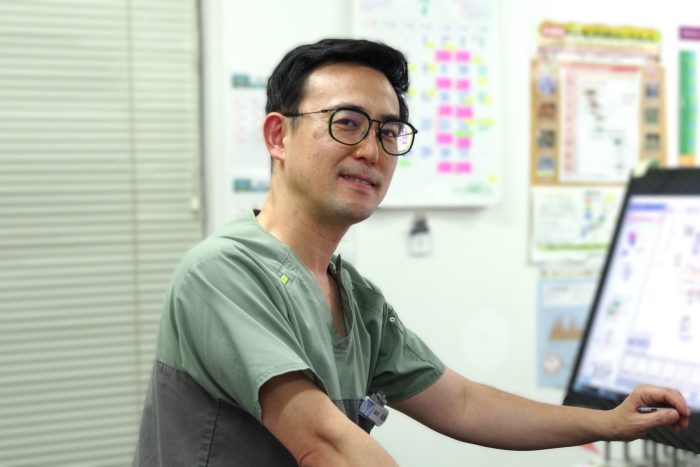
Interviewee: Dr. Yuichiro InabaToride City, Ibaraki Prefecture / Otolaryngology
Flexible Order Sets Support a Wide Range of ENT Care, from General Care to Same-Day Surgery
Inaba Otolaryngology Clinic opened in December 2020 in Toride City, Ibaraki Prefecture. The clinic provides a broad range of ENT services for patients of all ages, including general ENT care, treatment for hay fever and vertigo, CPAP therapy for sleep apnea, and same-day surgery involving the throat, nose, and sinuses.
To provide attentive care to each patient, the clinic places particular emphasis on efficiently handling a wide range of examinations, treatments, and procedures with a single physician. To support this approach, the clinic introduced the BrainBox Cloud electronic medical record (EMR) system when it first opened and has since upgraded to BrainBox Cloud II.
We spoke with Dr. Yuichiro Inaba, Medical Director of Inaba Otolaryngology Clinic, about what led him to introduce BrainBox, why he chose YUYAMA products, and how the system is used in daily clinical practice.
Case Study Highlights
POINT 1: Why We Chose BrainBox
Speed, Flexibility, and Security
1. Fast data entry to support up to 120 patients a day
2. Flexible order set configuration for a wide range of clinical scenarios
3. Strong data security with a reduced risk of data breaches
POINT 2: How We Use It Today
Flexibility That Supports Our Approach to Care
1. Customizable order sets organized by anatomical area rather than diagnosis
2. Integration with advanced equipment, including a CT scanner and endoscopes
3. Greater efficiency through flexible system placement designed around physician and staff workflows
POINT 3: Why We Trust YUYAMA
Reliable Support from Day One
Comprehensive pre-launch training, on-site assistance when needed, and rapid switchover to the backup server in the event of a VPN outage help keep clinical services running without interruption.
First, could you tell us a little about Inaba Otolaryngology Clinic?
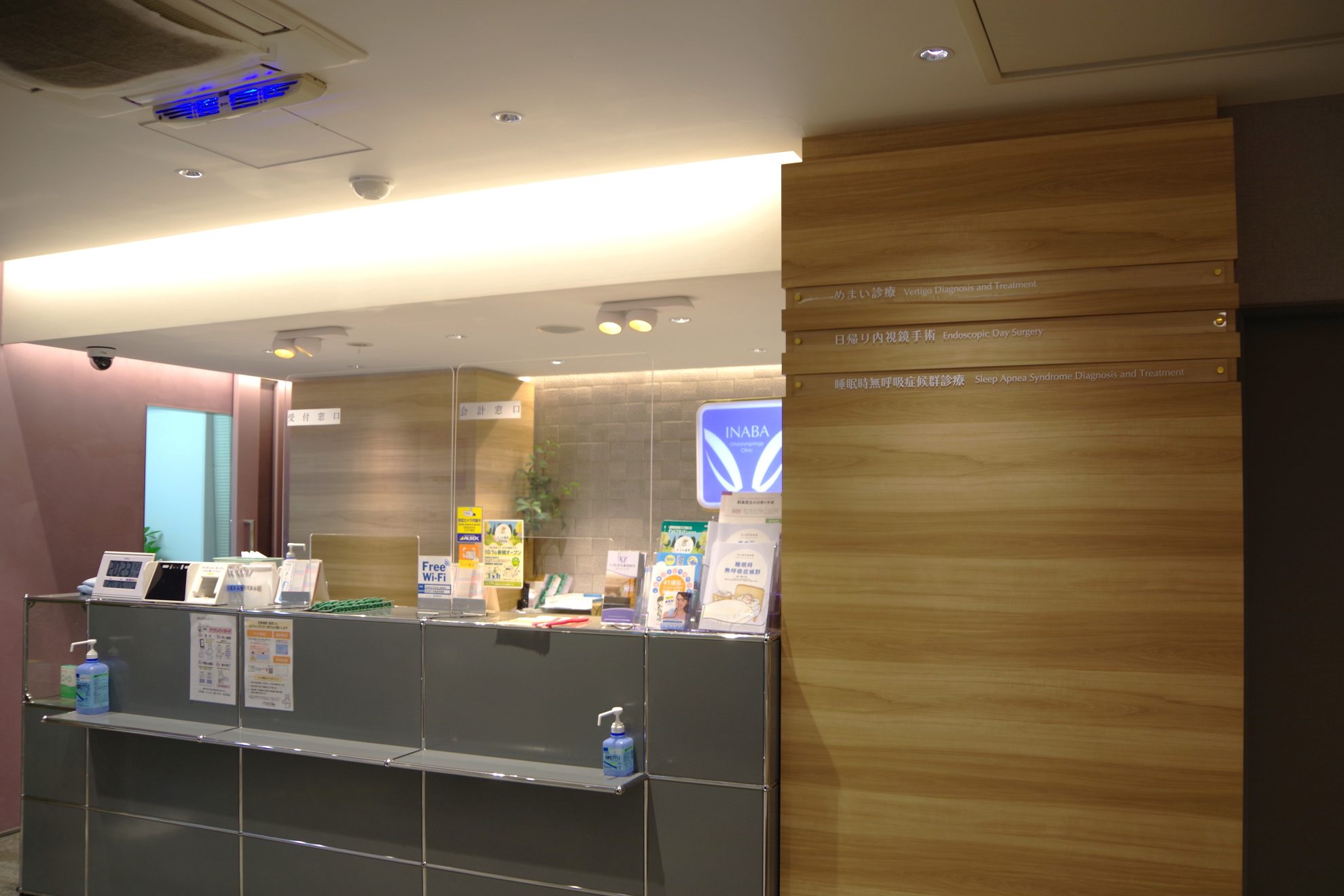
Our clinic opened in December 2020 in a four-story building directly connected to Toride Station on the JR Joban Line. The building also houses clinics in other specialties, a community pharmacy, and a daycare center. We have created a welcoming, patient-centered environment, including a dedicated play area for children visiting the clinic.
What business challenges have you faced in running your clinic?
Some otolaryngology clinics see as many as 150 to 200 patients a day. However, I was concerned that simply increasing patient volume could make consultations feel too impersonal. As the clinic’s sole physician, I consider about 15 patients per hour, or approximately four minutes per consultation, to be the maximum pace at which I can still provide attentive care. Over an eight-hour day, that means I can see up to 120 patients.
We also provide a broad range of outpatient services, from general ENT care to same-day surgery. Given the scope of our practice, our current business challenge is determining how we can accommodate more patients while maintaining the quality of care, including whether we should bring in additional physicians.
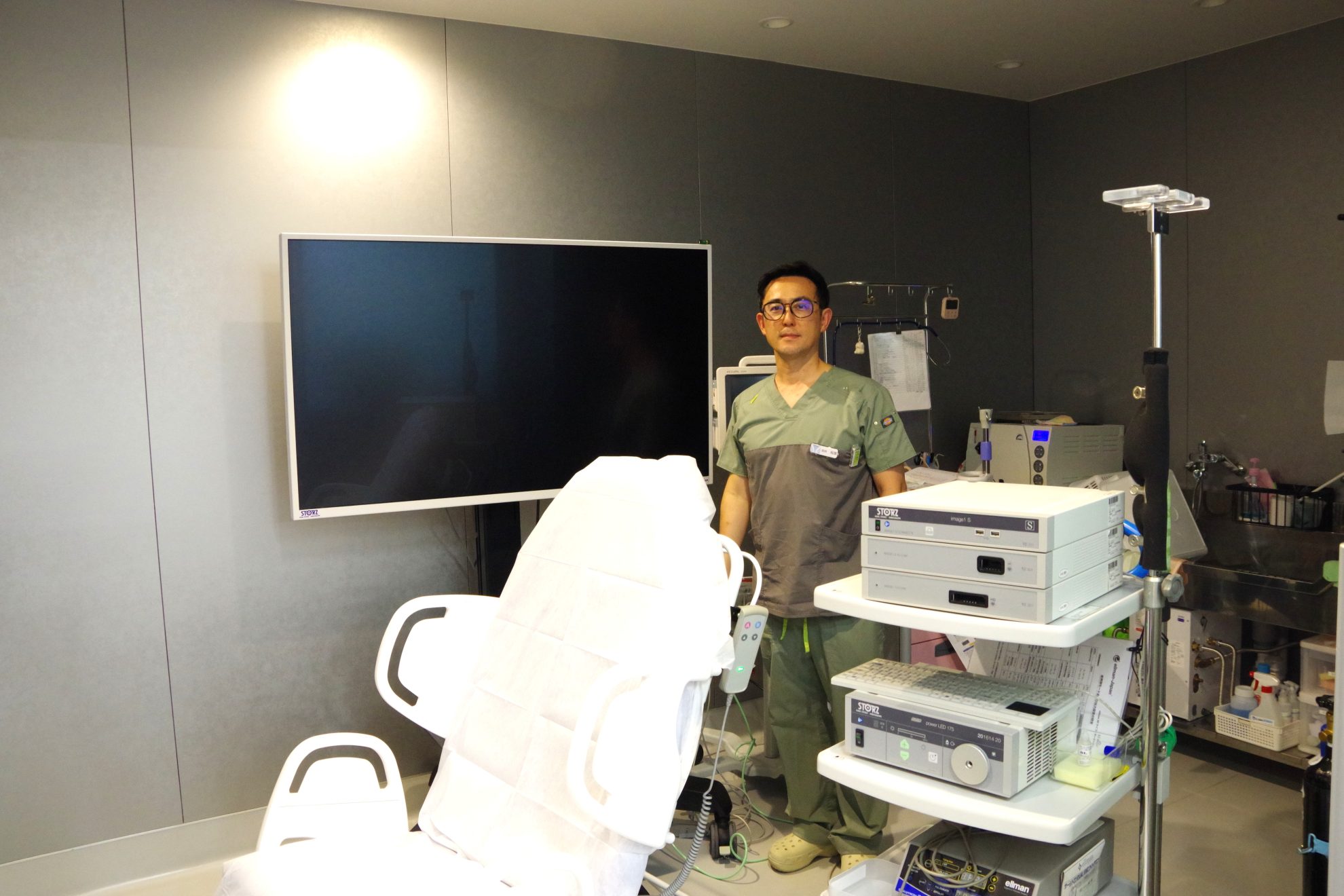
Dr. Yuichiro Inaba
You introduced BrainBox Cloud when the clinic first opened. What led you to choose the system?
Because we opened during the COVID-19 pandemic, some people questioned whether it was the right time and even wondered whether the clinic would survive. That made me determined to invest in quality facilities and equipment from the outset and establish the clinic as an impressive new presence in the community.
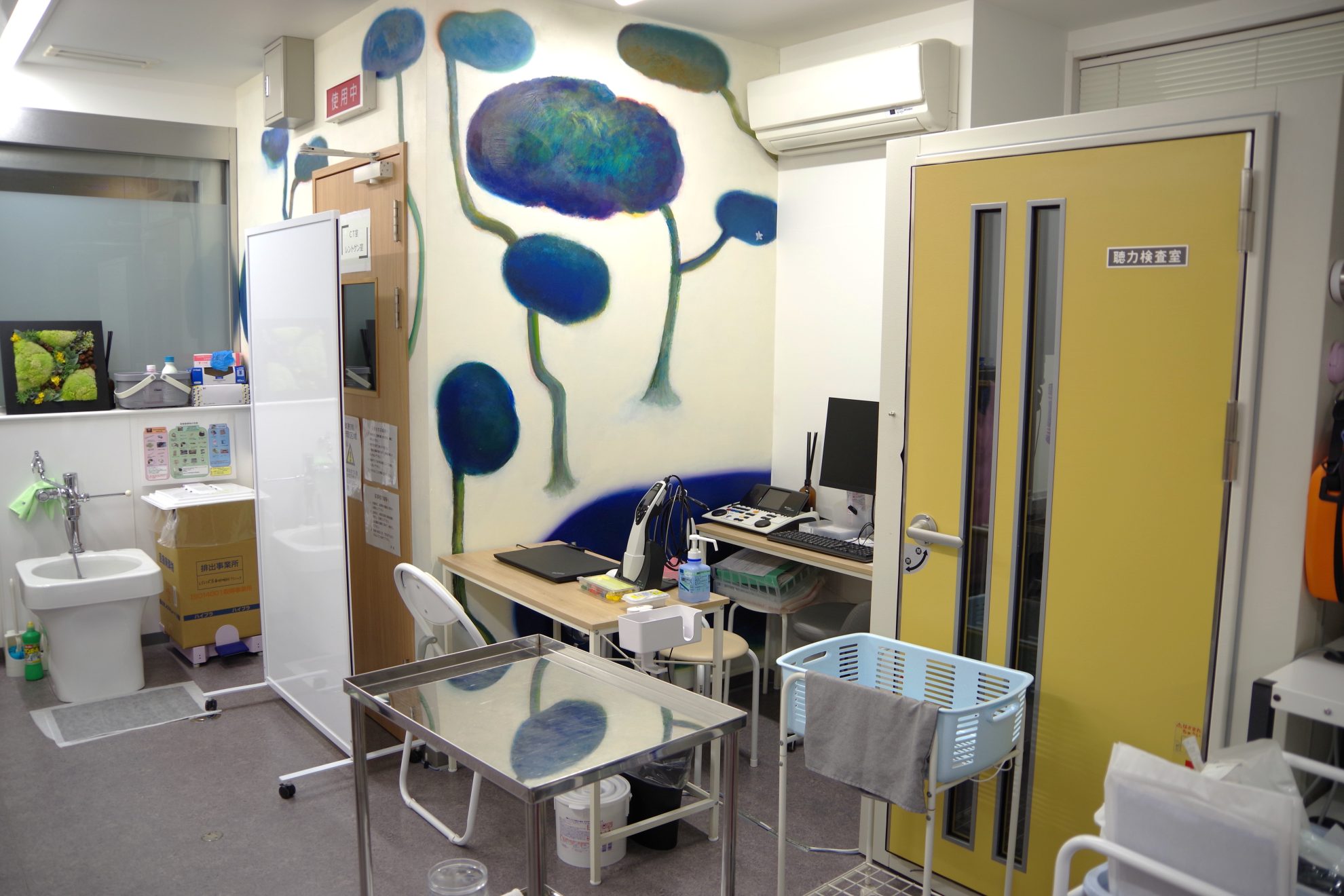
We chose high-quality carpeting for the interior and installed advanced medical equipment, including high-definition endoscopes and a cone-beam CT scanner. I took the same approach when selecting the electronic medical record system. I believed that introducing an advanced EMR system would help the clinic stand out and make a strong impression on the local community.
Why did you choose a cloud-based system?
Our clinic performs many same-day surgeries, including endoscopic surgery involving the throat, nose, and sinuses. From the outset, I was looking for a cloud-based system that would allow me to review preoperative blood test results and prepare for potential complications during or after surgery from home on the day before each procedure.
Although we do not provide telemedicine services, being able to securely access patients’ electronic medical records from outside the clinic is essential to ensuring patient safety. After comparing cloud-based EMR systems from around five providers, we chose BrainBox Cloud.
What made you choose YUYAMA’s BrainBox Cloud over other cloud-based EMR systems?
I wanted the most capable EMR system available. We see a wide variety of patients, including those coming in for preoperative and postoperative consultations or procedures, patients experiencing vertigo and vomiting, and children with middle ear infections. I aim to treat patients with all kinds of symptoms, so the range of care we provide continues to expand.
With this in mind, I focused on three key factors: fast data entry, flexible order set configuration for complex clinical workflows, and strong data security with a reduced risk of data breaches.
| Three Key Factors in Inaba Otolaryngology Clinic’s EMR Selection | |
| Fast Data Entry | Shortcut keys enable quick and efficient data entry. |
| Flexible Order Sets for Complex Clinical Workflows | ENT care often requires treatment areas to be specified separately for the right and left sides, which can result in a large number of order sets. BrainBox Cloud allows the treatment area and related procedures to be registered together and the entire order set to be applied with a single click. |
| Robust Data Security | BrainBox Cloud provides each medical institution with a dedicated virtual server hosted in a data center. This one-to-one architecture creates a highly secure environment and reduces the risk of data breaches. |
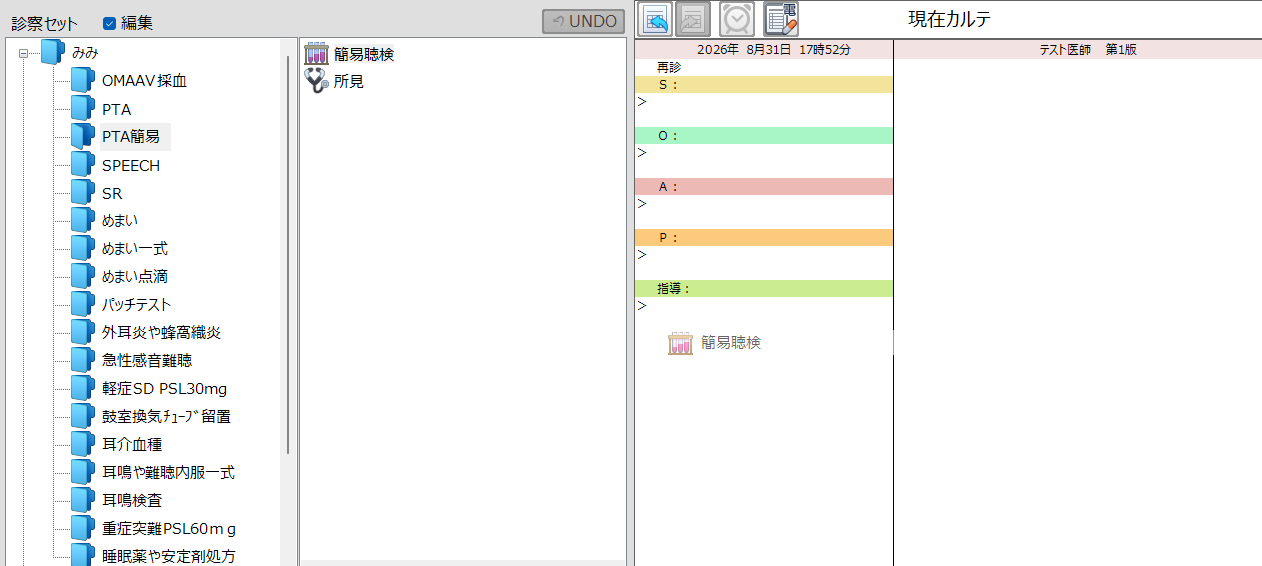
You mentioned that flexible order sets were an important factor in choosing the system. How do you use them in practice?
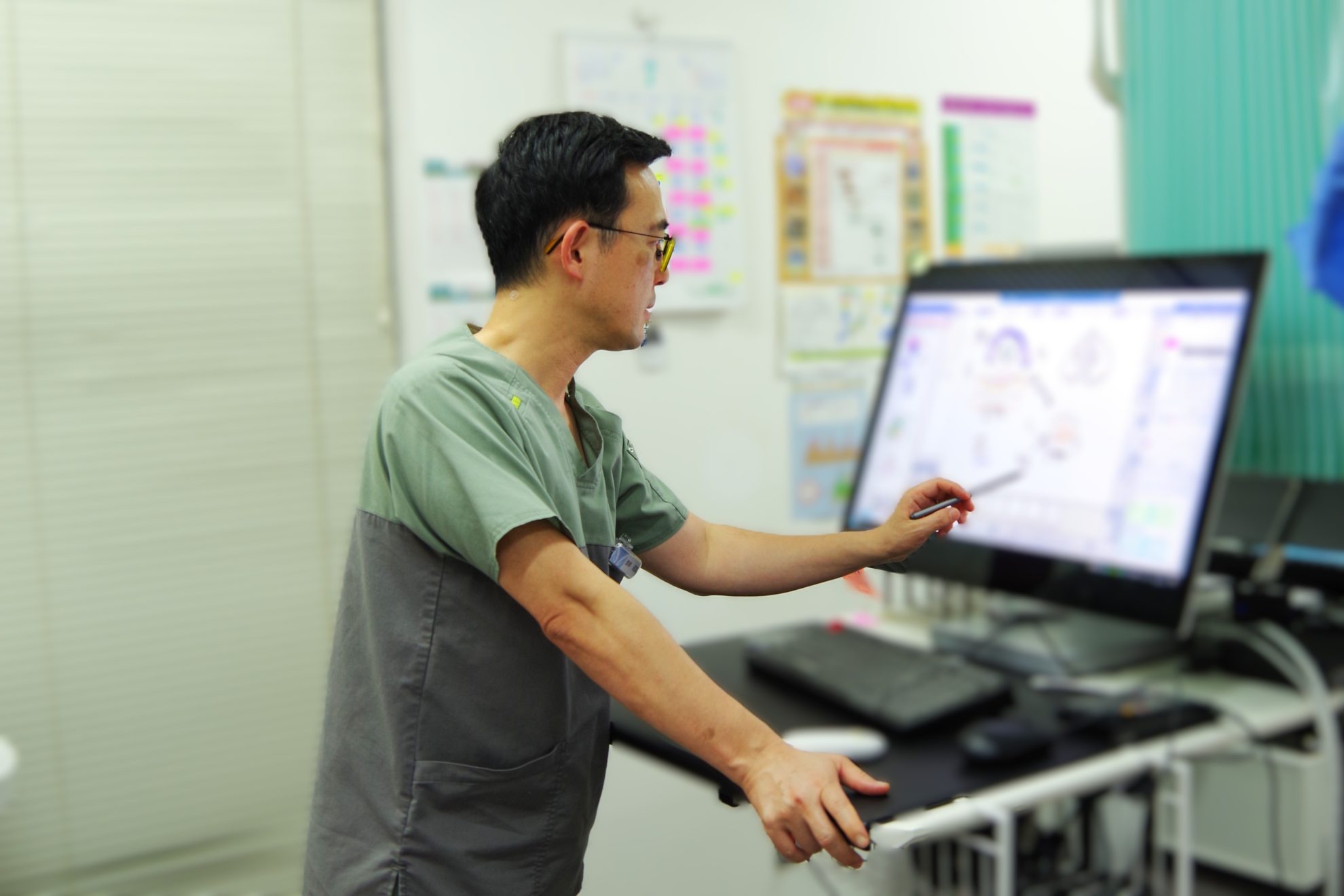
I customize the order sets in detail so that I can bring up everything I need, including billing items, notes, diagrams, and IV orders, with a single click. Depending on how they are configured, the order sets make it much easier to handle a wide range of cases.
I initially organized them by diagnosis, but found that grouping them by anatomical area, such as the ear, nose, and throat, worked better for me. Organizing them by diagnosis meant they were listed alphabetically, whereas the current structure allows me to use them more flexibly. I do not want the order sets to be too rigid. What matters is having enough flexibility to adapt them to each case, even when it does not fit the usual pattern perfectly.
It sounds like you were able to make a well-informed decision after carefully comparing the different options.
Around the same time, seven or eight other otolaryngology clinics were opening in the prefecture. I had heard that many of them had chosen YUYAMA products, which also served as a useful reference when making my decision. Ultimately, however, the deciding factors were that the system aligned with the type of care I wanted to provide and offered a high level of data security.
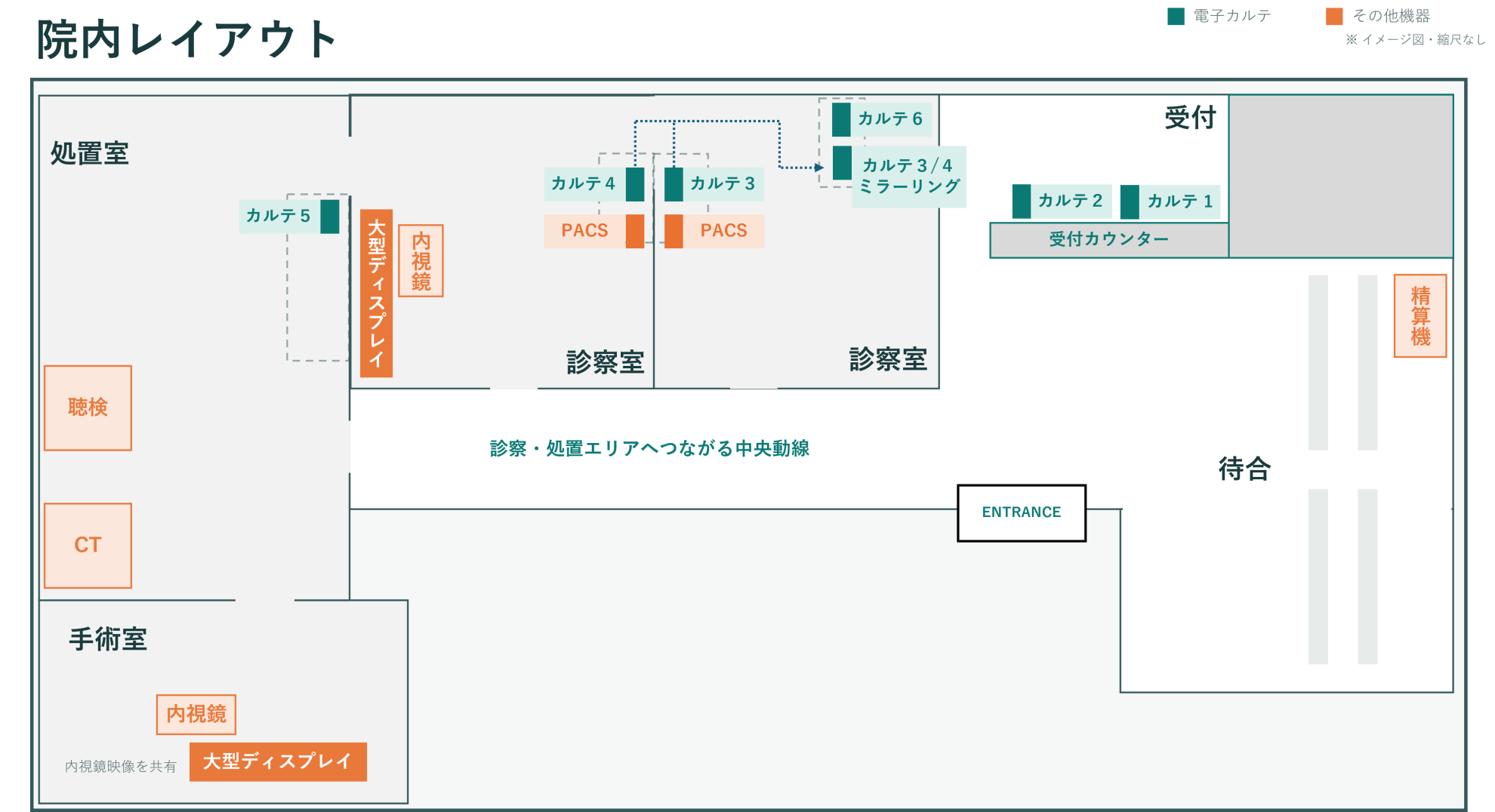
How is the EMR system currently set up throughout the clinic?
We document patient information in SOAP format, and streamlining the “S,” or subjective, section is particularly important. A staff member is always stationed at the terminal in the shared area to enter the S section and update the notes field.
The key is to summarize what the patient says while omitting information that is not directly relevant to the consultation. Rather than relying on an AI-based patient intake system, our staff enter the information manually before I see the patient. I trained them to summarize each patient’s medical history in two concise lines, so the S section is already complete when I begin the consultation.
Staff also add referral details, medical history, and even notes from casual conversations to the notes field. This gives me a quick overview of each patient and helps me reconnect with those returning after a long absence. They are often pleasantly surprised and ask, “Doctor, how did you remember that?”
You have also introduced advanced equipment, including a CT scanner and endoscopes. How well do they integrate with BrainBox?
Otolaryngology clinics tend to use a wide range of medical devices that need to be integrated with the EMR system, so we appreciate that YUYAMA does not charge additional fees for integrating BrainBox with other equipment. Compatibility with newly introduced equipment is important, but YUYAMA’s support is equally impressive. Whenever an issue arises, we can quickly reach the right person without being passed from one department to another.
An EMR system is essential to running a clinic, so having reliable support when problems arise is just as important as the system’s functionality.
It sounds like you also highly value YUYAMA’s support. Could you share a specific example?
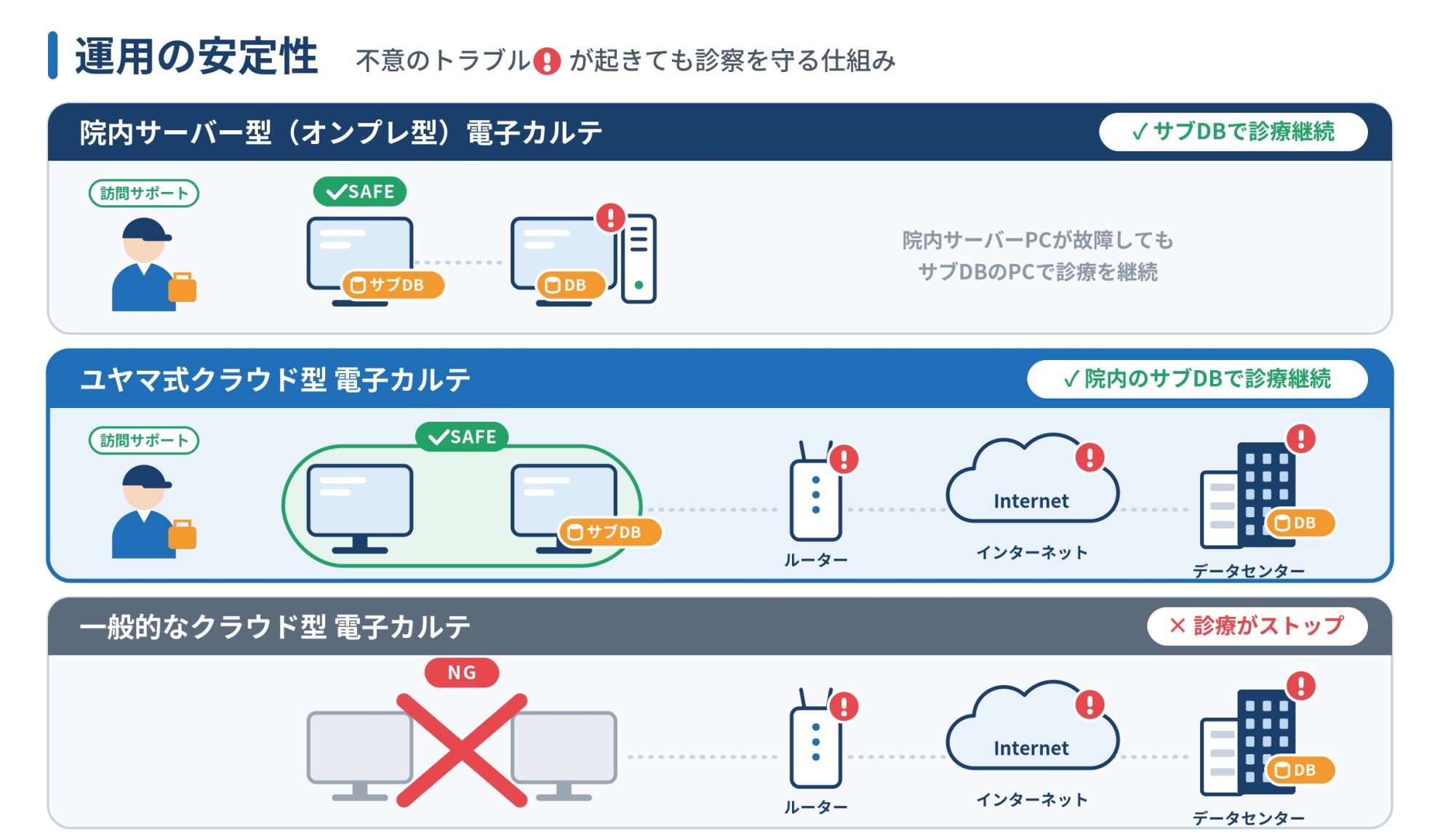
Recently, a VPN connection failure prevented us from accessing the EMR system. When I called for assistance, the system was promptly switched over to the on-site backup server, allowing us to continue seeing patients without interruption. I was particularly impressed that our representative remembered even the smallest details of our clinic’s system configuration.
Even a half-day system outage could have a significant impact on a clinic’s operations. BrainBox Cloud is therefore designed around the principle of keeping clinical services running without interruption. To ensure operational stability, an on-site backup server is included as a standard feature of the cloud-based system.
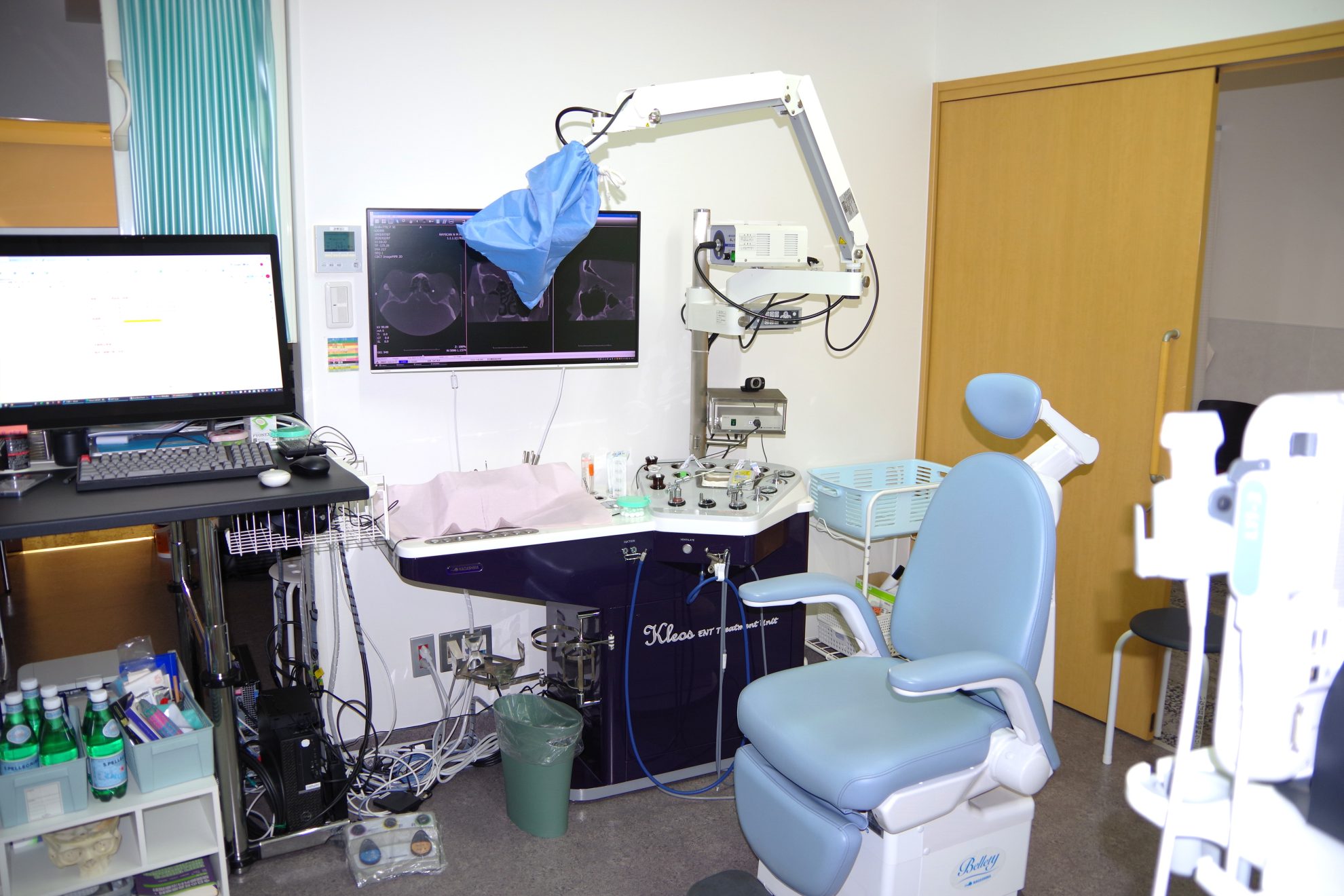
You have also introduced advanced equipment, including a CT scanner and endoscopes. How well do they integrate with BrainBox?
Otolaryngology clinics tend to use a wide range of medical devices that need to be integrated with the EMR system, so we appreciate that YUYAMA does not charge additional fees for integrating BrainBox with other equipment. Compatibility with newly introduced equipment is important, but YUYAMA’s support is equally impressive. Whenever an issue arises, we can quickly reach the right person without being passed from one department to another.
An EMR system is essential to running a clinic, so having reliable support when problems arise is just as important as the system’s functionality.
It sounds like you also highly value YUYAMA’s support. Could you share a specific example?
Recently, a VPN connection failure prevented us from accessing the EMR system. When I called for assistance, the system was promptly switched over to the on-site backup server, allowing us to continue seeing patients without interruption. I was particularly impressed that our representative remembered even the smallest details of our clinic’s system configuration.
Even a half-day system outage could have a significant impact on a clinic’s operations. BrainBox Cloud is therefore designed around the principle of keeping clinical services running without interruption. To ensure operational stability, an on-site backup server is included as a standard feature of the cloud-based system.
How was the training and support when the system was introduced?
When we first introduced the system, a YUYAMA representative was on-site and provided hands-on support throughout the initial setup. The representative was very encouraging, and I fondly remember receiving so many compliments on the clinical diagrams I had drawn.
For the first three or four years after the clinic opened, our staff summarized the information gathered during patient interviews by hand, and I then entered it into the EMR system. Once that process was running smoothly, I told them, “Now, all you need to do is type in what you have been writing by hand.” This allowed the staff to make a smooth transition to entering the information directly into the EMR system.
Using handwritten summaries as a transitional step can be an effective way for other clinics to shift from handwritten documentation to direct EMR entry after introducing the system.
Finally, could you tell us about your plans for the future and share a message for physicians considering an EMR system?
Going forward, I hope to make greater use of the system and workflows we have established to increase the number of surgeries we perform and establish our clinic as a leading model in ENT care.
YUYAMA’s system allows order sets to be configured flexibly and customized in detail to suit the way each physician practices, without imposing a rigid format. I would recommend it not only to otolaryngology clinics, but also to clinics in specialties that perform minor surgical procedures, such as urology, orthopedics, and vascular surgery.
Thank you very much for your time today.
Clinic Profile
Inaba Otolaryngology Clinic
Location: Toride i-Center, 3rd Floor, 2-25 Chuo-cho, Toride, Ibaraki, Japan
Information current as of July 2026.