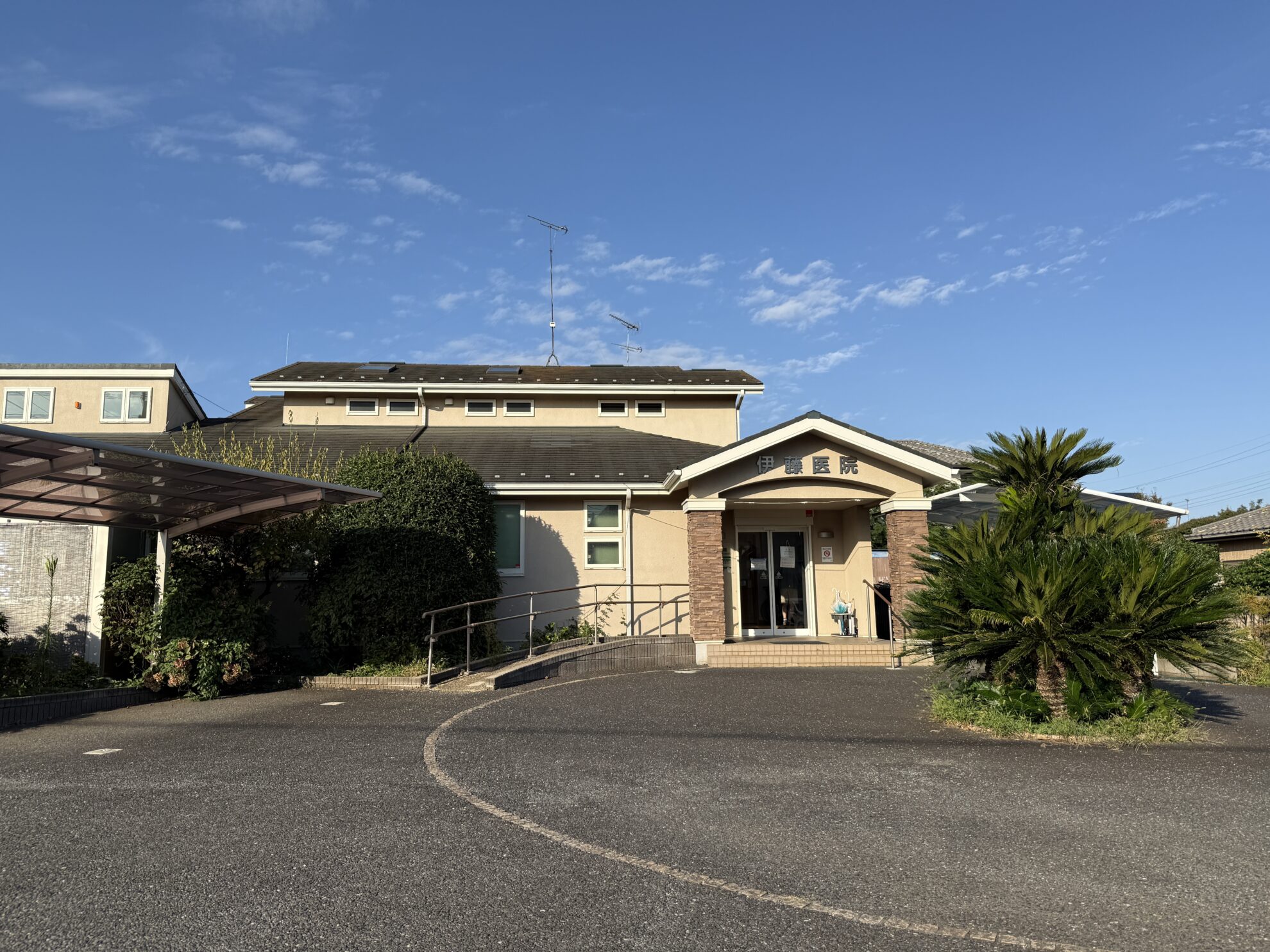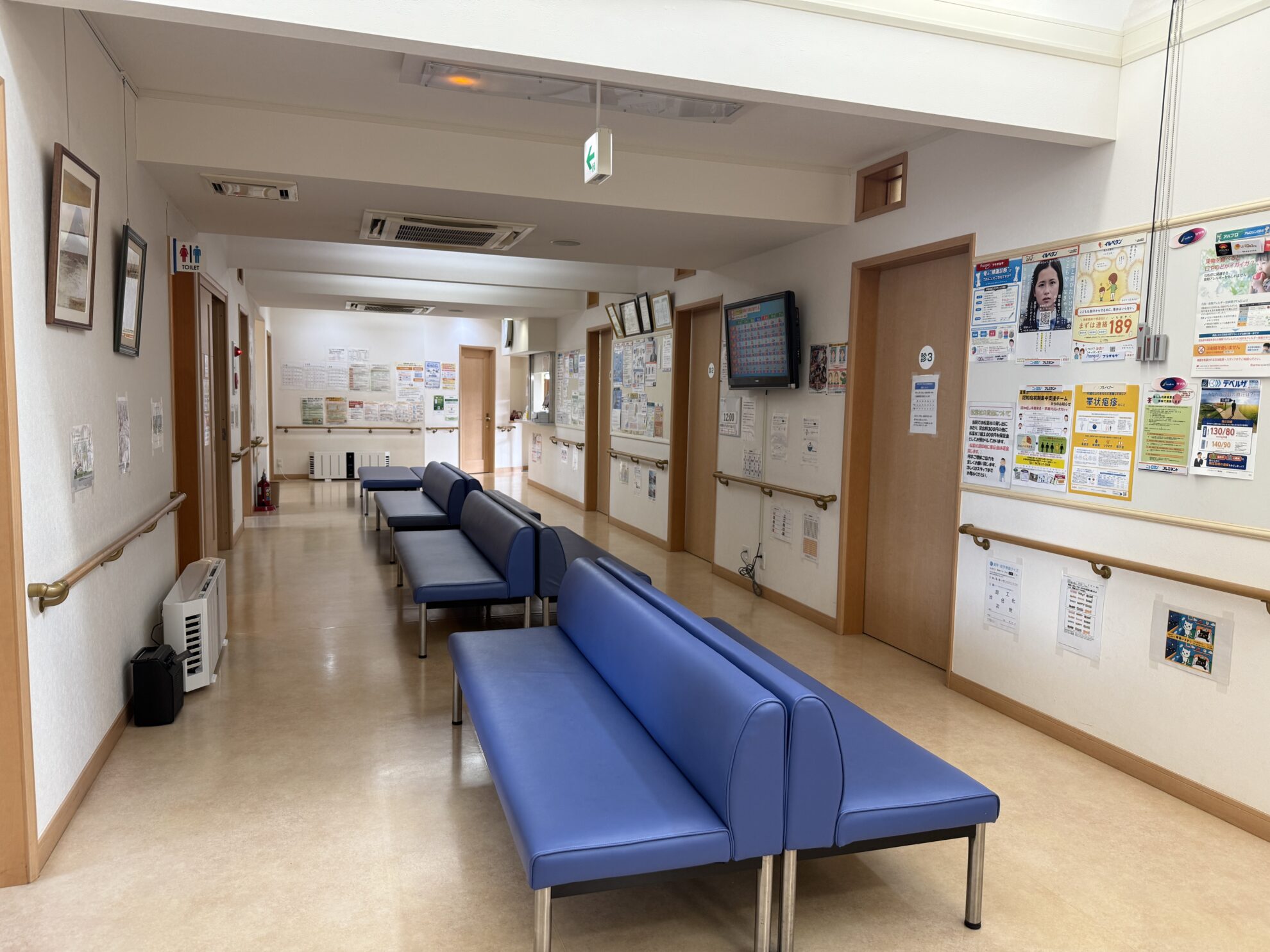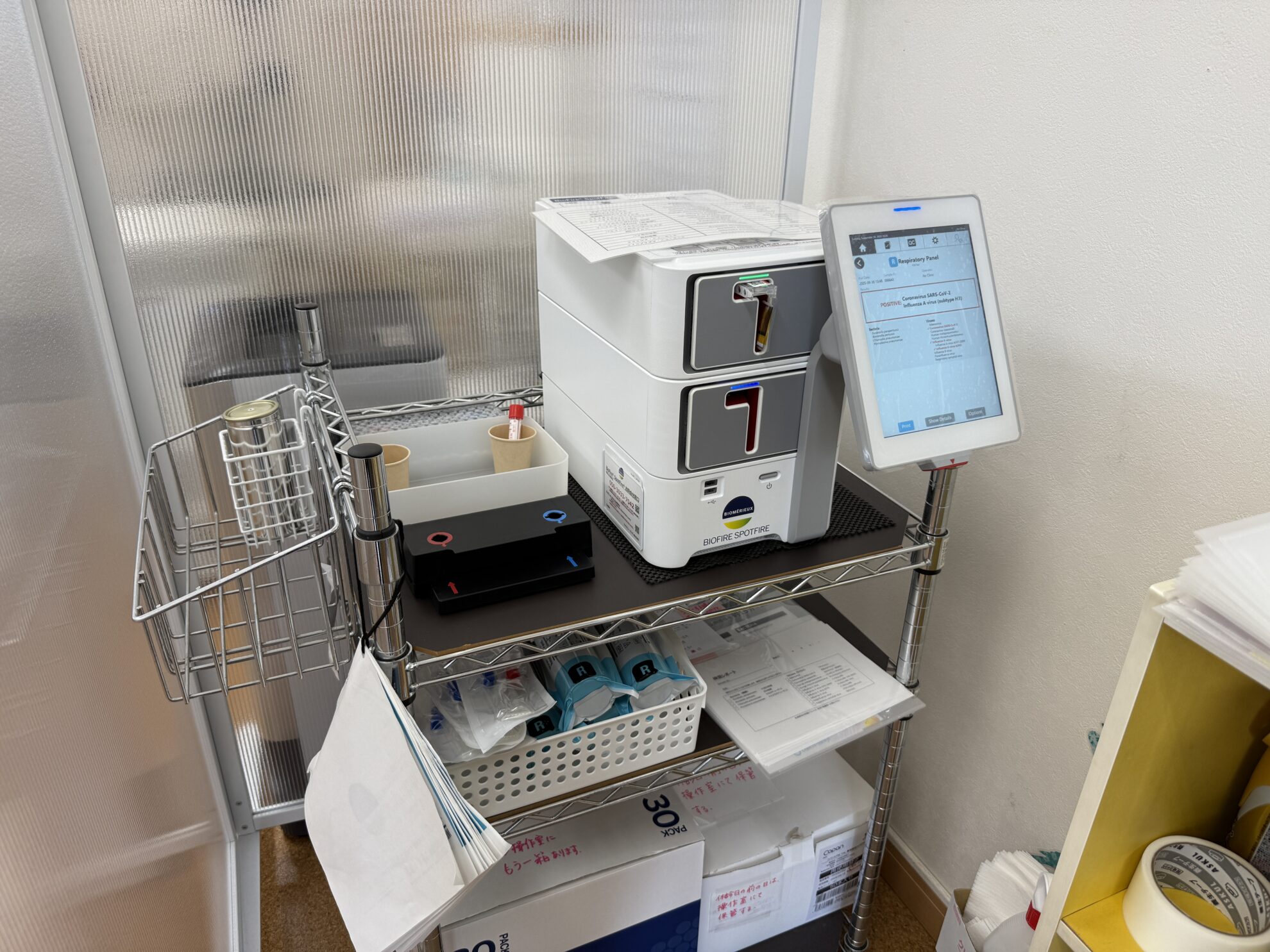

Ito Clinic
Interviewee: Dr. Masanori ItoNarita City, Chiba Prefecture Departments: Internal Medicine & Gastroenterology, Orthopedics, Pediatrics
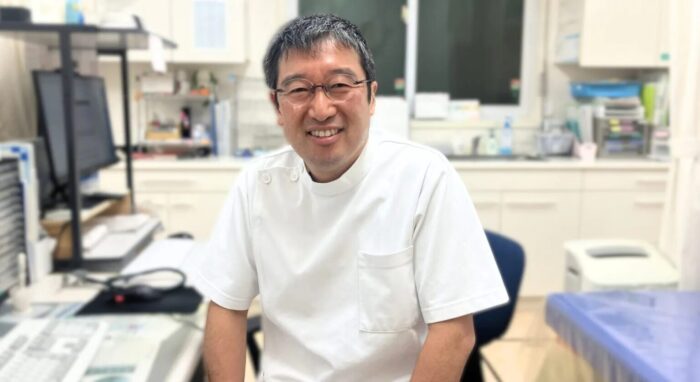
Attractive features include handwritten input, department-specific screen customization, and rapid support.
Ito Clinic has supported community healthcare for three generations. Currently located in Narita City, Chiba Prefecture, it specializes in internal medicine, gastroenterology, orthopedics, and pediatrics, treating patients of all ages. The number of patients increased, leading to the introduction of the electronic medical record system “BrainBoxV-Ⅱ” in July 2013. After two subsequent upgrades from BrainBoxV-Ⅲ to BrainBoxV-Ⅳ, the system is now customized with different screens for each department. The feature of BrainBoxV-II, “a large, easy-to-use handwriting space,” has been carried over to the current version, with continuous refinements to ensure ease of use for physicians of all generations.
We spoke with Director Masanori Ito about the background of introducing BrainBox, the reasons for choosing YUYAMA products, and how it is used in each department.
Case Study Highlights
POINT 1: Key Selection Criteria — Ease of Handwriting Input and Strong Support
1. The charting system, designed with a handwriting-like input feel to accommodate even the previous director who struggled with keyboard operation, has been well-received.
2. Reliable support even during ongoing operations
POINT 2: Utilization and Benefits After Implementation — How the Three Departments Use the System and the Advantages Gained
1. Customization tailored to each department has been the key to usability.
2. The workload for reception and accounting has been significantly reduced, along with mental stress and errors.
3. After upgrading to BrainBox V-IV, the administrative staff commented that their work became “even easier.”
POINT 3: What Makes YUYAMA Exceptional — Immediate On-site Support for Everything From Regulatory Changes to Daily Operational Issues
Could you start by telling us about the history and features of Ito Clinic?
Our clinic was founded by my grandfather and has supported community healthcare across three generations. It was originally located slightly further away and has moved once. Currently, the clinic is operated by myself, my father, and my wife as three physicians, offering three medical specialties: internal medicine, orthopedics, and pediatrics.
Reflecting the nature of Narita City in Chiba Prefecture, Our patient base is quite diverse, —from elderly farmers who have lived here for many years, relatively young families with children who moved due to residential development progressed, to younger workers employed at airport-related facilities, including many foreign workers. Our Clinic may be characterized by having three medical departments and treating patients across a wide age range.
What prompted you to introduce an electronic medical record (EMR) system?
Our clinic transitioned to electronic medical records over a decade ago. Before that, Prior to that, we only had a third-party billing system in place. While my own experience with the convenience of electronic medical records at a previous workplace played a role, we decided to implement them when our clinic relocated.
We believed EMRs would not only benefit physicians but also streamline the administrative billing processes so that we decided to introduce.
Your clinic has been using paper charts for many years. What challenges did you face?
Paper charts had three major issues:
1. Storage space
Medical records are legally required to be kept for five years, but with electronic medical records, that space is no longer needed.
2. Inefficient information sharing
With paper charts, we sometimes only wrote “Rp. Do” for patients receiving the same prescription as last time, which meant it took time to confirm past prescriptions. Also, my own handwriting isn’t very neat, so there was the problem of poor legibility. EMRs let us copy and paste past prescriptions, reducing prescription errors, and the screen is easy for anyone to read, which is great.
3. The burden of billing operations
Administrative staff have mentioned that since switching to electronic medical records, “there are fewer mistakes during billing operation, making the process easier.” From my perspective as well, I feel there are fewer mistakes in billing process compared to before.
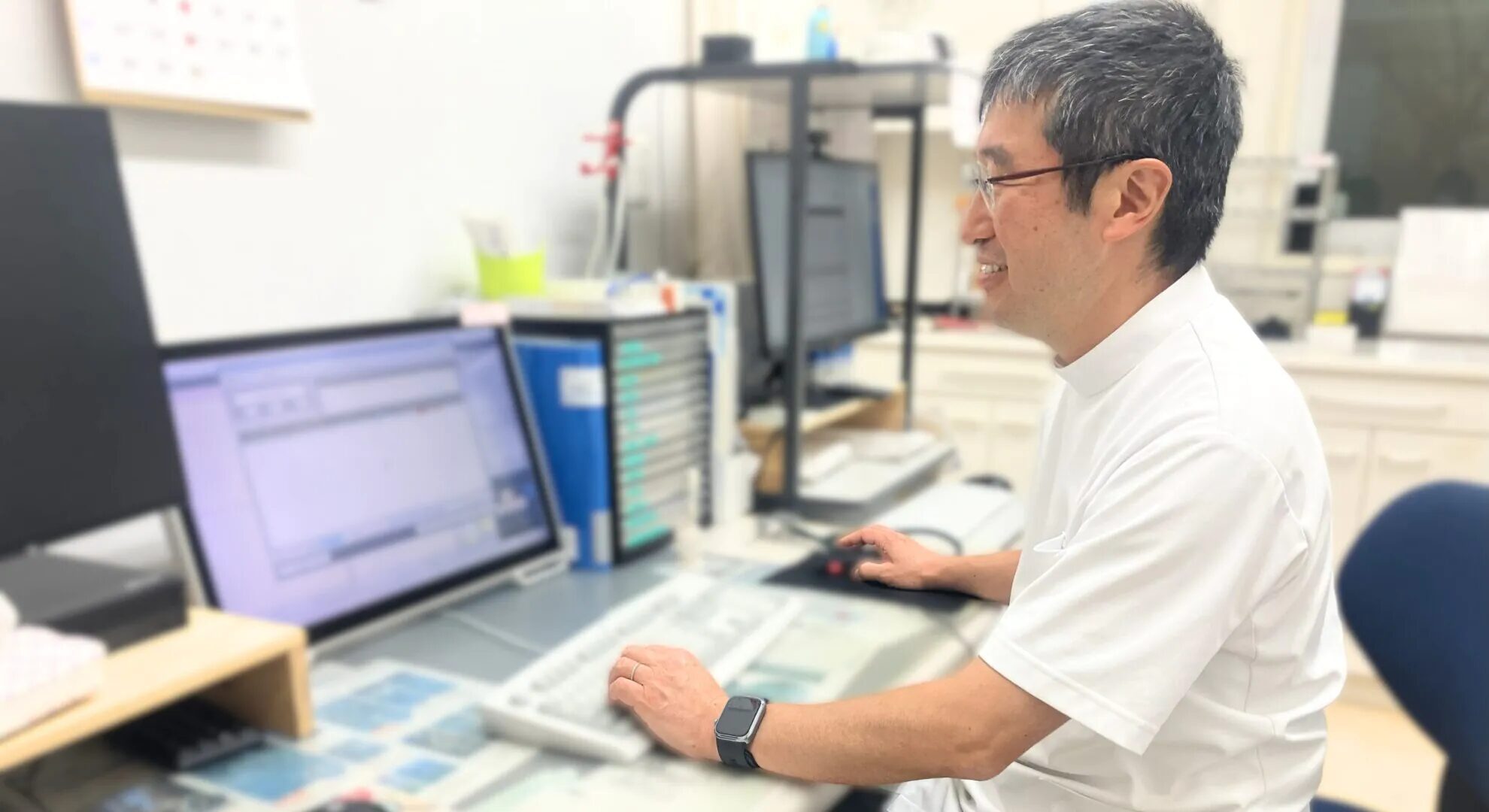
Director Dr. Ito.
Please tell us the reasons you chose YUYAMA’s EMR?
The decisive factor was the ample space for handwriting. The previous director—my father—initially struggled with keyboard operation due to his age.
He appreciated that YUYAMA’s EMR “there’s plenty of space to write by hand, just like paper charts.” it allowed the previous director to complete entries entirely by handwriting.
Orthopedics involves keyboard input, but it’s also a specialty where we frequently add handwritten notes about the patient’s condition to diagrams. YUYAMA’s electronic medical records system offered ample space for direct writing with a LCD pen tablet, which facilitate a smooth transition from paper charts.
Are there other aspects of introducing BrainBox that you feel were worthwhile?
YUYAMA’s support is outstanding. When we introduced the electronic medical records system, they carefully customized the screen settings to make it user-friendly for each department. Above all, they come running whenever we encounter trouble.The best part is definitely this support. Their thorough support during troubleshooting is a huge help.
I’d like to hear specific details about how each department uses and leverages the system.
In Internal Medicine and Gastroenterology, we’ve added gastroscopy and ultrasound examination items to the shortcut function. Since we’re seeing more elderly patients with chronic lifestyle-related diseases, we’ve placed these examination items in an easily accessible location.
In Orthopedics, we’ve set up the shortcut function to make it easy to select examination items and X-ray imaging sites, and we’ve also added bone diagrams.
Similarly, in Administration, we placed pediatric vaccine-related items for quick use. We customized the system from the start to be user-friendly for Internal Medicine/Gastroenterology, Orthopedics, and Administrative use. Additional functions were added later.
For administrative staff, this further eliminated misreading or omissions of numbers on claims forms, the need to trace back to “previous prescriptions,” and reduced the effort required for data entry. Administrative staff also report that “it has become significantly easier since upgrading (from BrainBox V-III to V-IV).”
In terms of reception and accounting operations, we utilize several key functions.
The newly added ‘Next Visit Chart Function’ in BrainBoxV-IV allows us to create the next tentative appointment slot (temporary chart) using just the patient’s ID immediately after the current consultation ends. This has made the reservation process at the reception desk significantly smoother.
Furthermore, through the batch processing and automation of accounting procedures, we can now instantly process all outstanding claims by setting a lump-sum monthly cutoff, instead of performing daily accounting tasks as we did previously. As a result, we can now generate all receipts in a single batch at the end of the month.
Additionally, since the window collection totals and the health insurance claim (reimbursement) totals are calculated automatically, the need for manual calculation has been eliminated. Consequently, the mental burden and the risk of error for our administrative and accounting staff have been substantially reduced.
Do you have any expectations for future improvements, such as additional functional enhancements requested by frontline physicians?
While we are generally satisfied since the entire flow of medical care has been digitized into the electronic medical record system, there are three points we’ve noticed during use and would like to see addressed.
First is “improved searchability.” With paper charts, you can flip through pages to find the information you need. However, with electronic medical records, when reviewing past charts, you have to scroll through each page individually. It would be convenient to have a feature allowing you to scroll through multiple pages at once. We would also appreciate enhanced search functionality that enables instant access to past medical records.
Second is “visualization of medication changes.” Especially for patients with long-term care, it would be great to have a “bookmark feature” that clearly shows at a glance when and under what circumstances medications were changed or started.
Third is “enhancing features for pediatrics.” For pediatric patients, medication dosages need to be precisely calculated based on weight. If the automatic weight-based calculation feature could support more medications in the future, it would make calculations much easier.
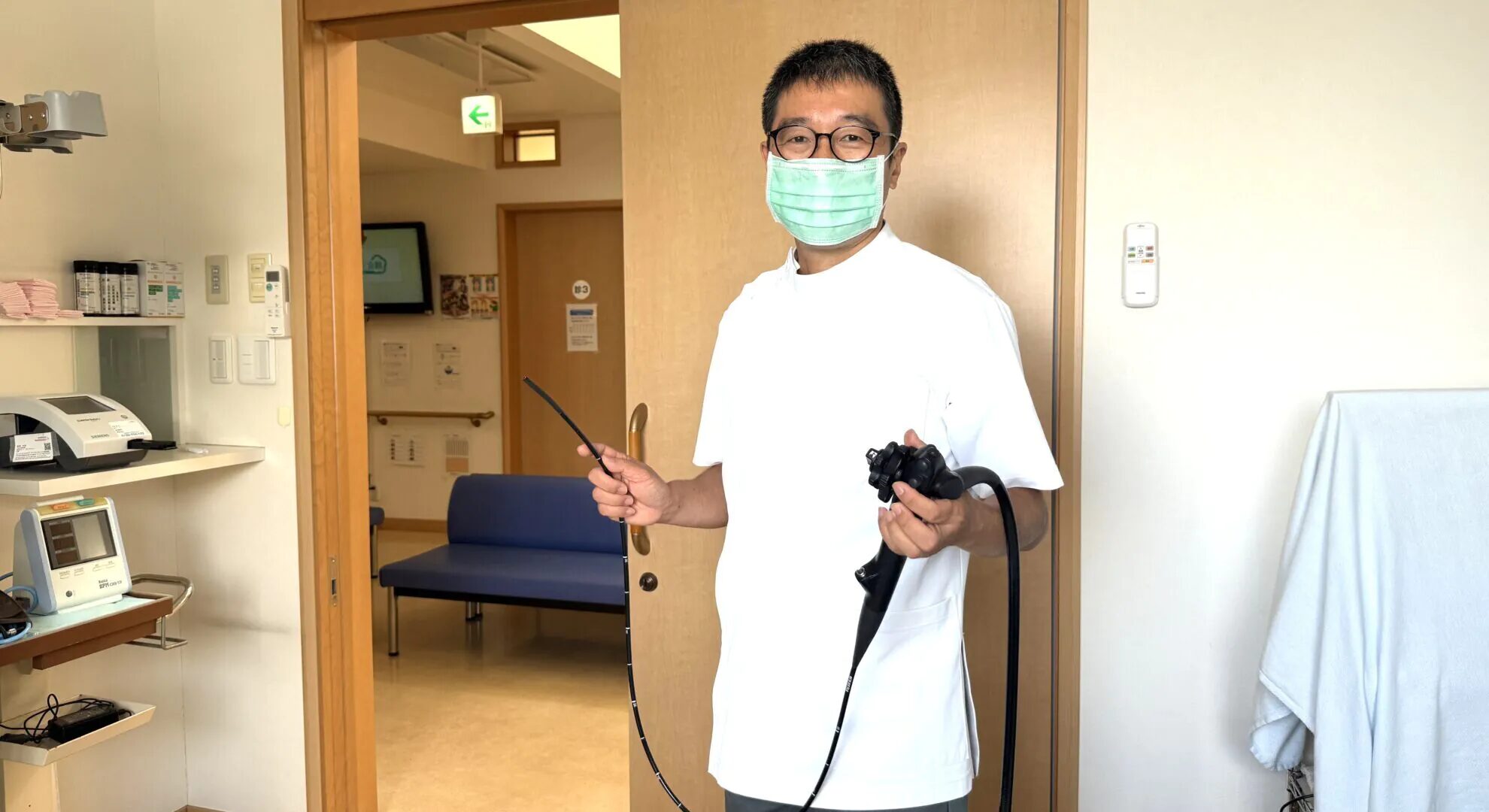
We provide comprehensive support as a partner dedicated to addressing your clinic’s challenges and working together to find solutions.You mentioned earlier that you appreciate YUYAMA’s support capabilities. Could you share a specific example?
During the electronic medical record introduction, YUYAMA’s representative was a tremendous help. We especially appreciate their swift response to issues like screen freezes and operational uncertainties.
Regarding the online eligibility verification for the My Number health insurance card, rather than having doctors explain it, YUYAMA’s representative frequently visited to train our staff.
Our current representative still had a novice driver sticker on their car when they first started working with our clinic. Even so, whenever we had a problem, they would make the effort to come by in that car with the novice sticker. Recently, we’ve had issues with electronic prescriptions and the My Number health insurance card, but they’ve come by multiple times to investigate what’s wrong and resolve the problems
Do you have a message for clinics considering EMR adoption?
YUYAMA’s electronic medical records feature a large free space for drawing, making it suitable not only for orthopedics but also for internal medicine, pediatrics, and any physician who wants to record information visually, such as noting the location of a rash.
Alternatively, for physicians who prefer using a somewhat fixed format, or who simply want to check boxes for predefined options, or who desire intuitive operation of their electronic medical records, YUYAMA’s system should also be easy to use.
Thank you very much for your time today.
Implementing an electronic medical record system not only improves operational efficiency but also enhances patient safety. As Ito Clinic cited in its selection criteria, even if you are not comfortable with PC operations or keyboard input, BrainBox’s handwriting recognition feature and YUYAMA’s comprehensive support can accommodate these challenges.
When selecting an EMR system, compare options based on whether it can be customized to fit your clinic’s specific practice style, whether it includes all necessary features without excess, and whether the manufacturer provides sufficient support.
It is also important to consult with other doctors and staff members and choose a system that is intuitive and easy to use, tailored to everyone’s IT skill level.
Clinic Profile
Ito Clinic
Location: 78-3 Honmisatozuka, Narita City, Chiba Prefecture
Information as of November 2025.